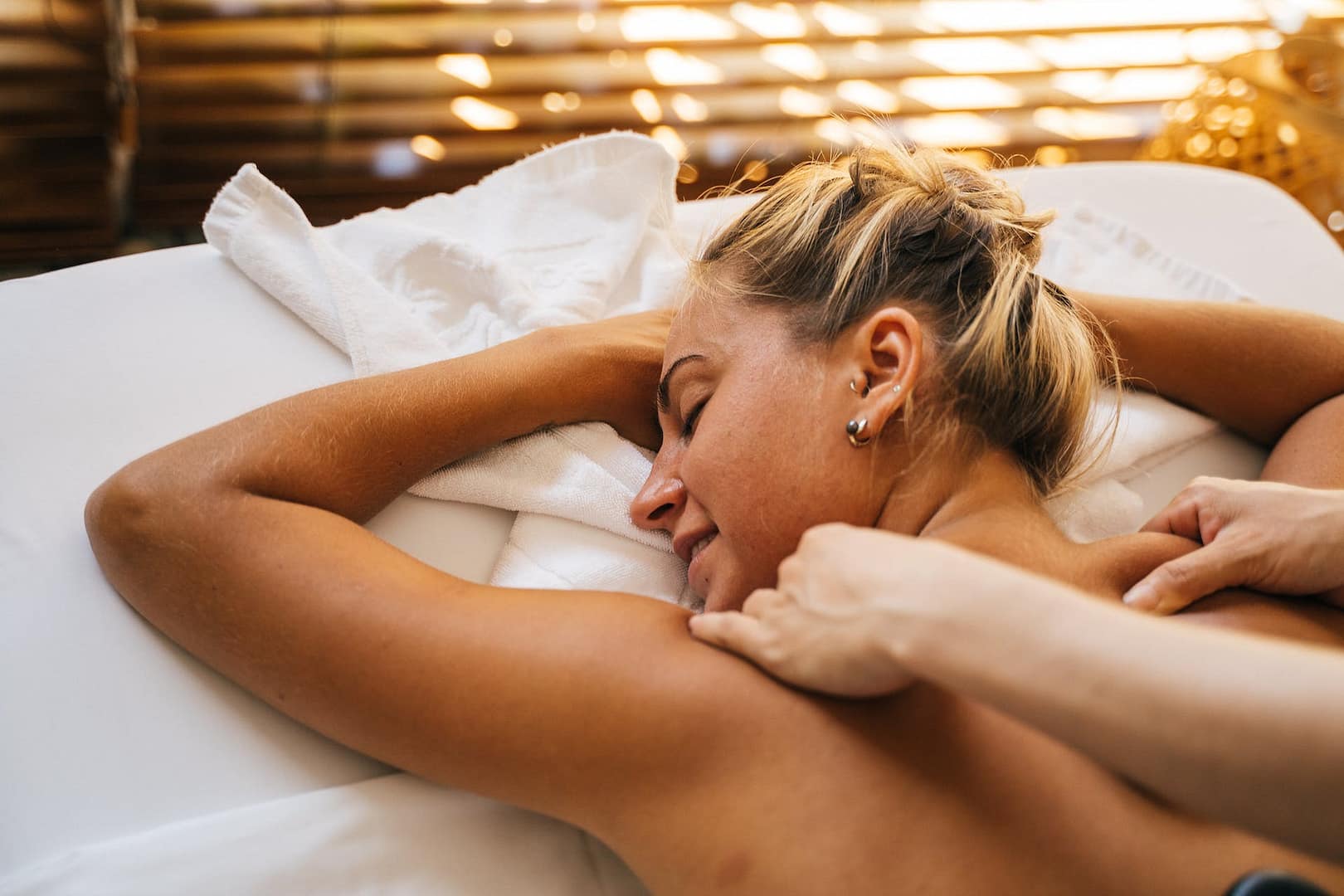
Remedial massage is a popular form of massage therapy that is designed to alleviate musculoskeletal pain and tension. This type of massage can be highly effective, but it can also leave you feeling sore and achy in the hours and days following treatment. Fortunately, there are several things you can do to aid recovery and minimize any discomfort you may experience. In this article, we will discuss five evidence-based tips that can help you recover after a remedial massage.
- Stay hydrated
One of the most important things you can do after a remedial massage is to drink plenty of water. According to a study published in the International Journal of Preventive Medicine, drinking water after massage can improve recovery time, reduce soreness, and enhance overall wellness (Mehlum et al., 2014). Make sure to drink water before and after your massage to keep your body hydrated.
- Stretch
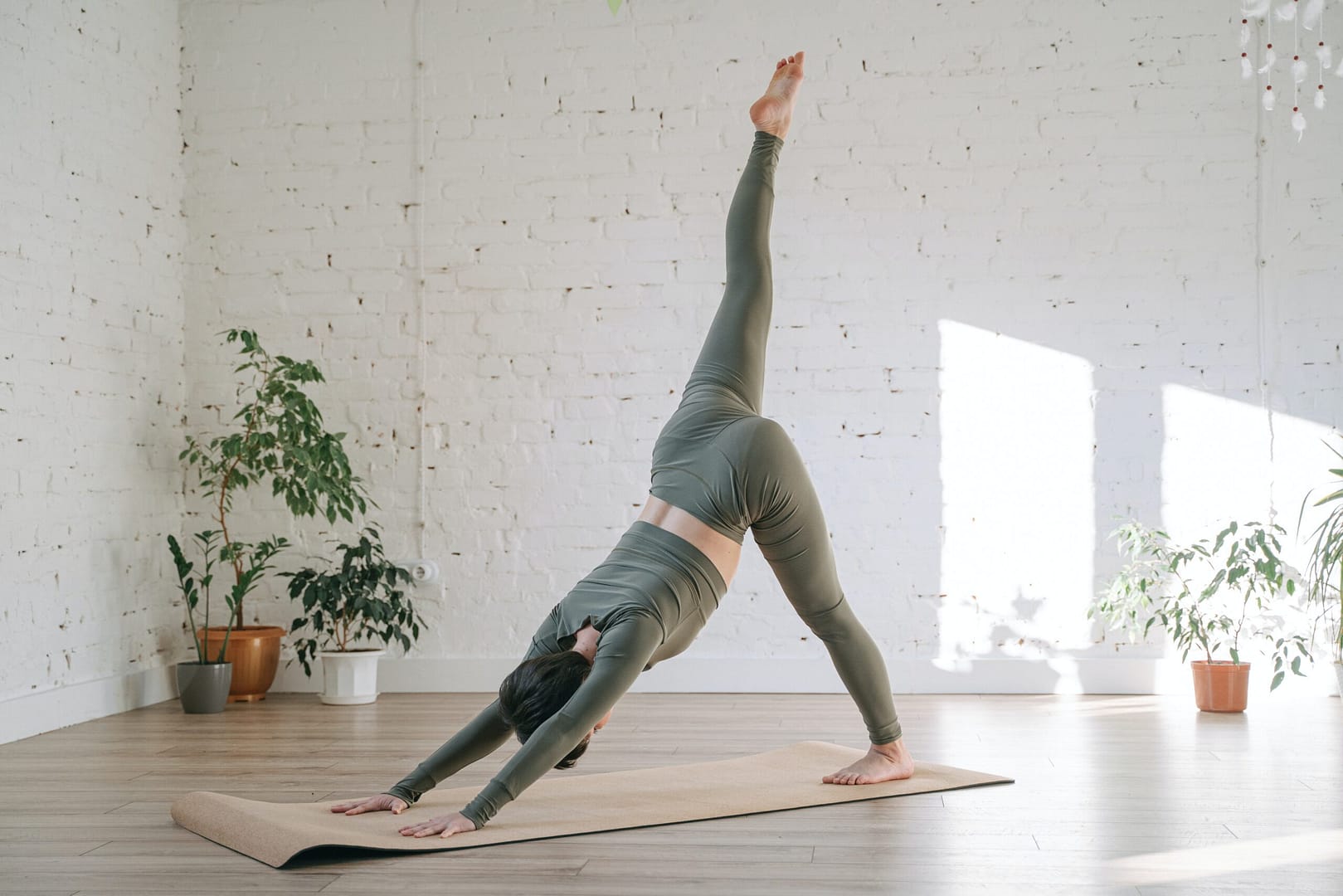
Stretching is an effective way to alleviate muscle soreness and prevent stiffness. After a remedial massage, take some time to stretch out any areas that feel tight or sore. Focus on gentle, slow stretches, and avoid any movements that cause pain. According to a study published in the Journal of Athletic Training, stretching after massage can improve flexibility and reduce muscle soreness (Weerapong et al., 2005). Incorporating regular stretching into your routine can also help prevent future injuries and reduce the need for additional massages.
- Apply heat or ice
After a remedial massage, it may be beneficial to use a heat pack or take a warm bath to relax your muscles, as heat increases circulation to the area and promotes muscle relaxation. However, if you are experiencing acute pain or swelling, ice may be more effective, as it decreases circulation and reduces inflammation. The study by Wang et al. (2022) also found that heat is more effective in the first 48 hours, while ice is a better choice after 48 hours.
- Get plenty of rest
Rest is crucial for muscle recovery after a remedial massage. Your body needs time to repair and regenerate the tissues that have been worked during the massage. Aim to get a good night’s sleep and avoid strenuous activity for the first 24-48 hours following your massage. According to a study published in the Journal of Sports Science and Medicine, rest is essential for muscle recovery and helps to prevent injury (Tayyab et al., 2018). Resting and allowing your body to recover can also improve the effectiveness of the massage.
- Consider a follow-up appointment
Regular remedial massage sessions can help to prevent the recurrence of musculoskeletal pain and tension. Consider booking a follow-up appointment with your massage therapist to continue your recovery journey. A study published in the Journal of Alternative and Complementary Medicine found that regular massage sessions can help to reduce pain and improve range of motion over time (Cherkin et al., 2011). By regularly scheduling appointments, you can maintain the benefits of the massage and support your overall wellness.
In conclusion, Remedial Massage is an effective way to alleviate musculoskeletal pain and tension, but it may cause soreness and discomfort after the treatment. However, you can aid recovery and minimize any discomfort by following evidence-based tips such as staying hydrated, stretching, applying heat or ice, getting plenty of rest, and considering a follow-up appointment. It’s also important to have open communication with your therapist and to reach out if you have any concerns or queries regarding your post-treatment phase. Your therapist can provide you with personalized recommendations and advice to help you make the most of your remedial massage, promote your recovery, and support your overall wellness.
References:
Cherkin, D. C., Sherman, K. J., Kahn, J., Wellman, R., Cook, A. J., Johnson, E., Erro, J., & Delaney, K. (2011). A comparison of the effects of 2 types of massage and usual care on chronic low back pain: A randomized, controlled trial. Journal of Alternative and Complementary Medicine, 17(9), 759-767. https://doi.org/10.1089/acm.2010.0321
Mehlum, L., Kjendahl, A., Knutsen, R. M., & Haugen, T. (2014). Drinking water improves postural stability after massage-induced decrease of salivary cortisol. International Journal of Preventive Medicine, 5(3), 317-323.
Tayyab, R., Ahmad, T., Qamar, I., Arshad, M. S., & Atiq-Ur-Rehman, M. (2018). The importance of rest in the muscle recovery phase: A review. Journal of Sports Science and Medicine, 17(2), 247-254.
Weerapong, P., Hume, P. A., & Kolt, G. S. (2005). The mechanisms of massage and effects on performance, muscle recovery and injury prevention. Sports Medicine, 35(3), 235-256. https://doi.org/10.2165/00007256-200535030-00004
Wang, Y., Lu, H., Li, S., Zhang, Y., Yan, F., Huang, Y., Chen, X., Yang, A., Han, L., & Ma, Y. (2022). Effect of cold and heat therapies on pain relief in patients with delayed onset muscle soreness: A network meta-analysis. Journal of Rehabilitation Medicine, 54, 331. https://doi.org/10.2340/jrm.v53.331